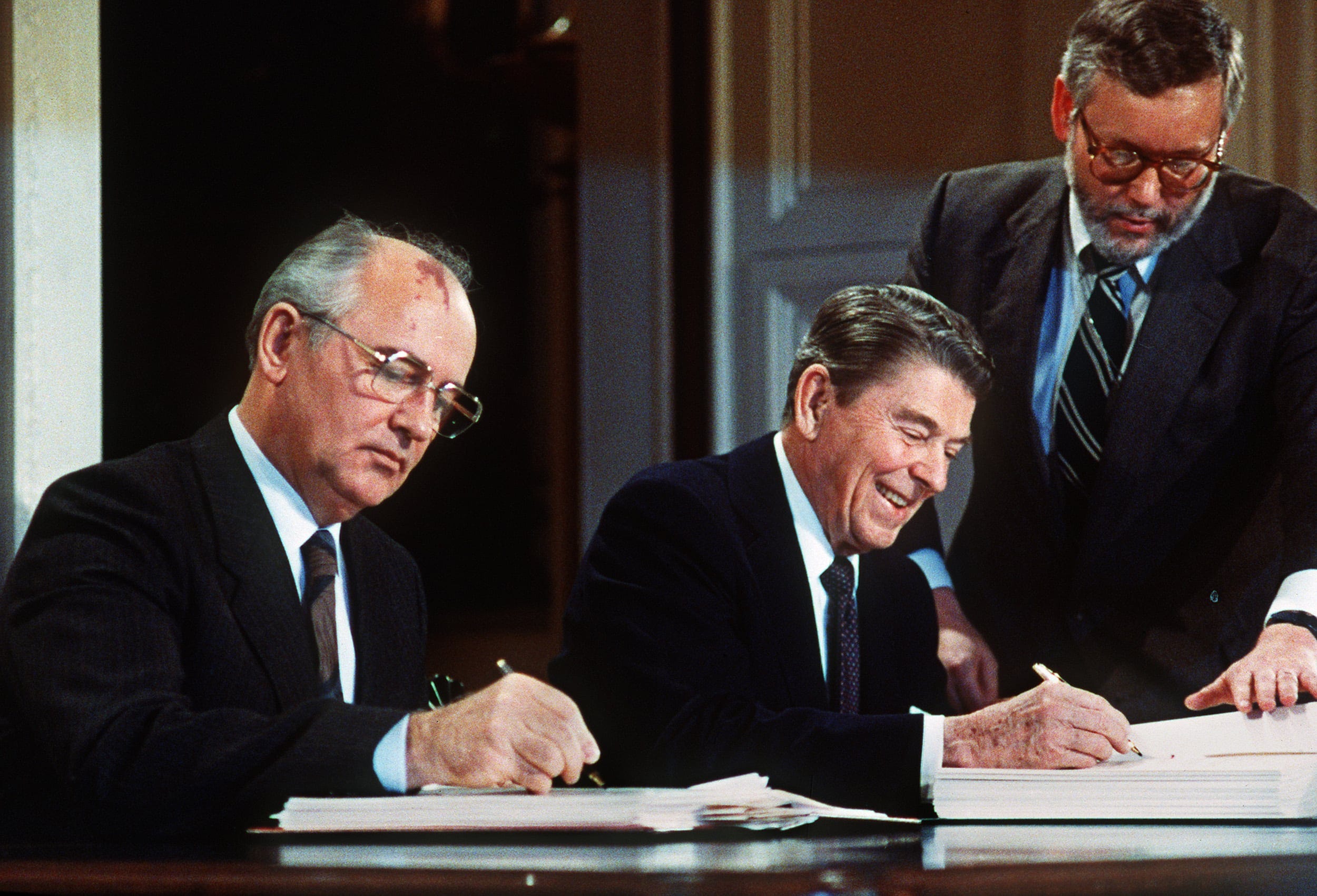
The world once stood on the brink of nuclear annihilation during the Cold War, yet leaders found ways to pull back from the edge. In December 1987, U.S. President Ronald Reagan and Soviet General Secretary Mikhail Gorbachev signed the Intermediate-Range Nuclear Forces (INF) Treaty in Washington, D.C.—a landmark agreement that eliminated an entire class of nuclear missiles for the first time in history.
In the waning days of the last major nuclear arms control treaty between the United States and Russia, President Donald Trump has chosen apathy over action, allowing the New Strategic Arms Reduction Treaty (New START) to expire on February 5, 2026, without renewal or replacement. This isn’t just bureaucratic oversight—it’s a deliberate plunge into uncertainty, one that experts warn could spark an unconstrained three-way arms race involving the U.S., Russia, and a rapidly proliferating China. Trump’s cavalier attitude, encapsulated in his recent dismissal—“if it expires, it expires” —echoes his first term’s pattern of dismantling hard-won safeguards, prioritizing bravado over global security. As the world teeters on the edge of a new nuclear era, Trump’s leadership is not just shortsighted; it’s dangerously negligent, potentially costing humanity dearly in an age where nuclear miscalculation could end civilization.
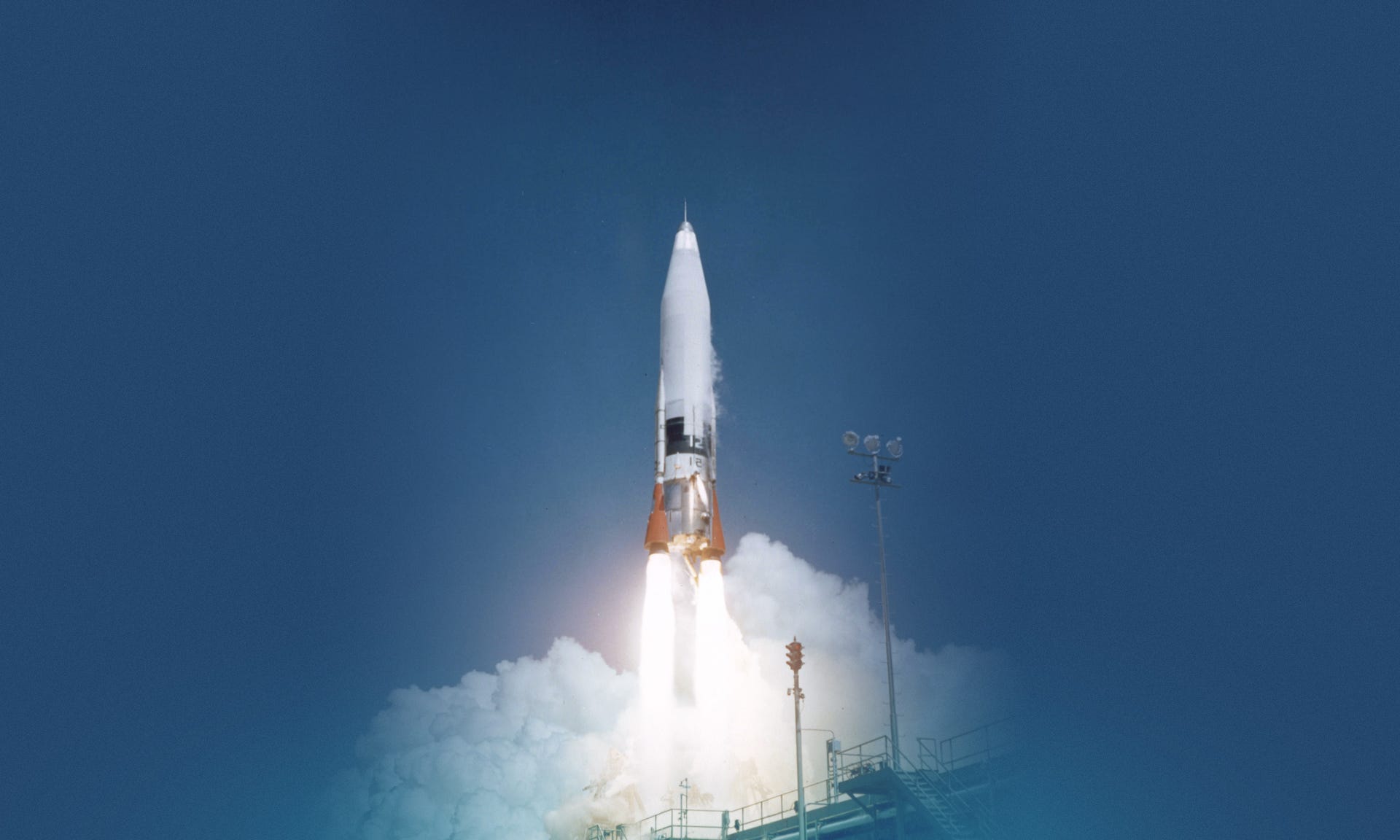
New START, signed in 2010 under President Obama and extended for five years in 2021 by President Biden, capped deployed strategic nuclear warheads at 1,550 for both the U.S. and Russia, while allowing for inspections and data exchanges to build trust . It represented the culmination of decades of bilateral efforts to avert a Cold War-style arms race. But under Trump, who returned to office amid promises of “better deals,” the treaty has been allowed to lapse without negotiation. Russian President Vladimir Putin proposed a one-year voluntary adherence to its limits in September 2025, an offer Trump initially called a “good idea” , only to let it gather dust. Now, with no binding constraints, both nations could rapidly upload additional warheads to existing systems, escalating tensions at a time when Russia’s invasion of Ukraine and U.S.-China rivalries already simmer.
This breakthrough built on earlier efforts and paved the way for deeper reductions, culminating in treaties like START I (1991) and New START (2010), which capped deployed strategic warheads and enabled mutual inspections to foster transparency and trust. These pacts represented decades of painstaking diplomacy, where even ideological adversaries prioritized survival over unchecked escalation.
Fast-forward to today: On February 5, 2026, the last major U.S.-Russia nuclear arms control treaty—New START—has expired without renewal or replacement, marking the first time since the early 1970s that the world’s two largest nuclear powers face no legally binding limits on their strategic arsenals. President Donald Trump‘s administration has let this happen through inaction, dismissing concerns with casual indifference: “If it expires, it expires. We’ll just do a better agreement.” This isn’t strategic foresight—it’s reckless abandonment, igniting a new, unconstrained arms race in a multipolar world where China’s rapid nuclear buildup adds unprecedented complexity.
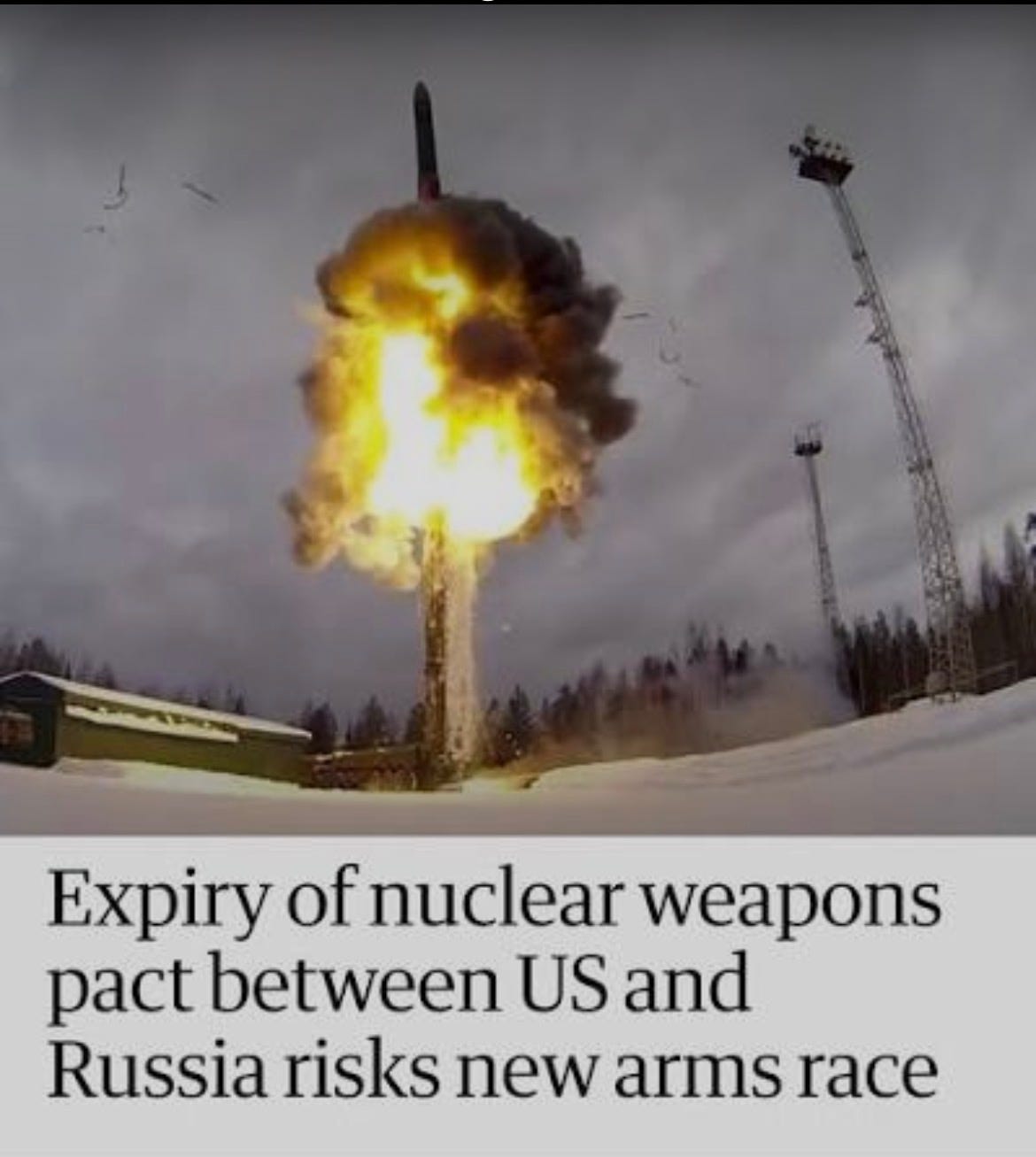
New START capped deployed strategic warheads at 1,550 each for the U.S. and Russia, with verification measures that provided critical insights into each other’s forces. Its lapse removes these caps and transparency, inviting worst-case planning, rapid uploads of warheads to existing missiles, and heightened risks of miscalculation amid ongoing crises like Russia’s war in Ukraine and U.S.-China tensions.
Trump’s first term already dismantled safeguards—exiting the INF Treaty in 2019 and the Open Skies Treaty in 2020—while pushing costly nuclear modernization that experts say edges toward first-strike capabilities. Now, by failing to engage on Russia’s September 2025 proposal for a one-year voluntary adherence to limits (which Trump initially called a “good idea” but never pursued), he has accelerated the very proliferation he claims to counter.
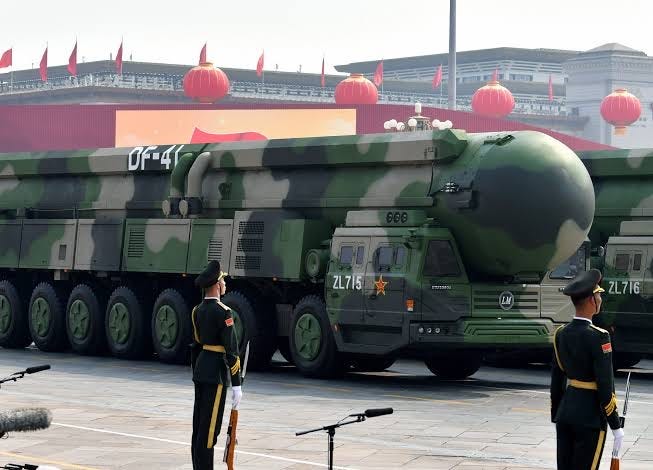
China, unbound by any such treaty, has surged ahead: its arsenal has grown to around 600 warheads by 2026, with projections exceeding 1,000 by 2030, including new ICBM silos and hypersonic systems. This three-way dynamic—Russia potentially expanding, the U.S. responding in kind, and China racing unchecked—turns bilateral restraint into a dangerous relic.
Trump’s track record on nuclear issues is a litany of withdrawals and escalations. During his first term, he pulled the U.S. out of the Intermediate-Range Nuclear Forces (INF) Treaty in 2019, the Open Skies Treaty in 2020, and nearly let New START expire before Biden salvaged it . These moves weren’t isolated; they reflected a “me-first” doctrine that prioritized unilateral strength over multilateral stability. Trump’s push for modernizing the U.S. nuclear arsenal—continuing and amplifying Obama-era plans—has been criticized for increasing the risk of a first-strike capability, fraying the “slender thread on which survival is suspended” . As the Pentagon ramps up spending, Trump’s inaction on New START signals to adversaries that America is ready to race, not restrain.
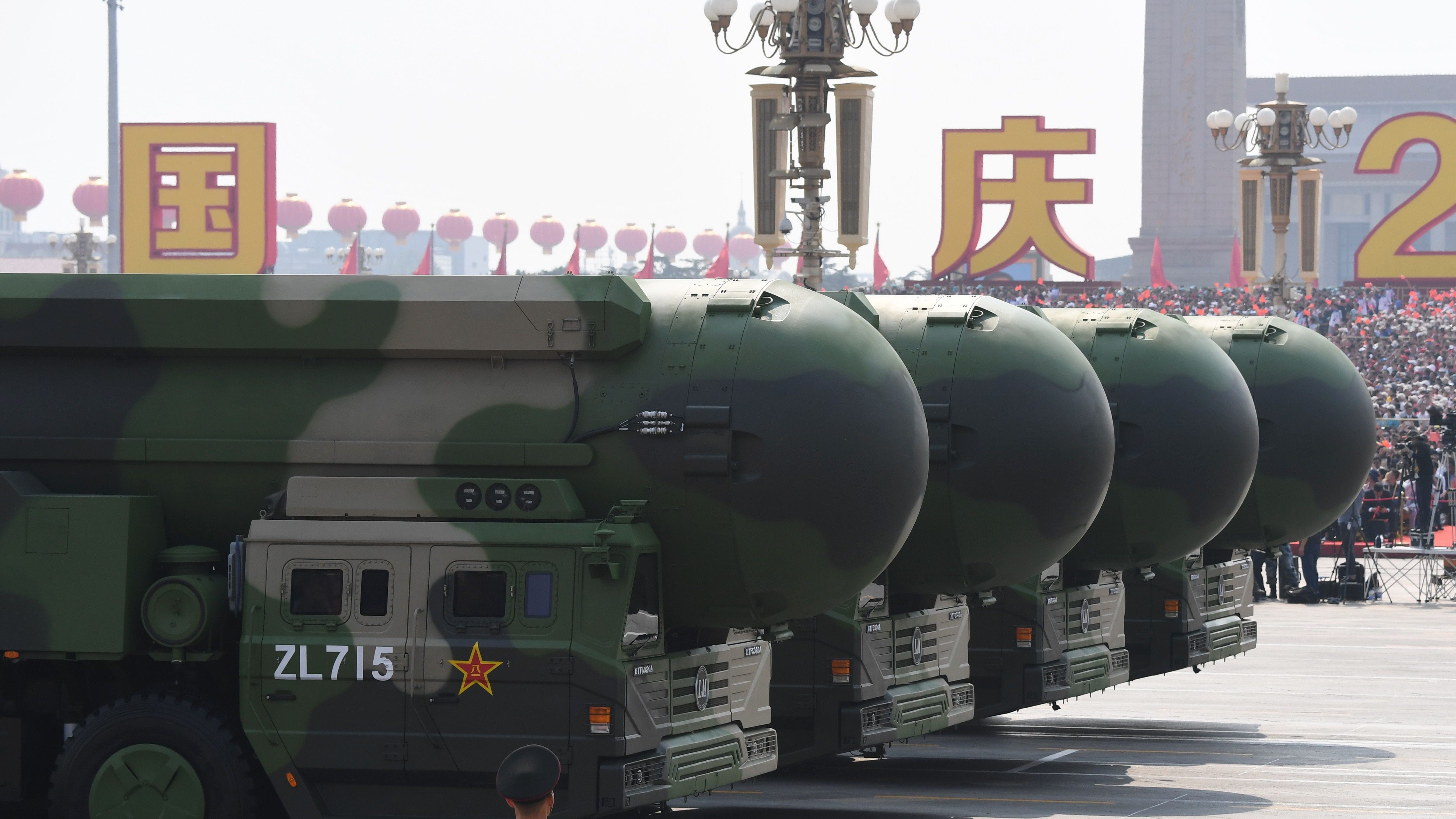
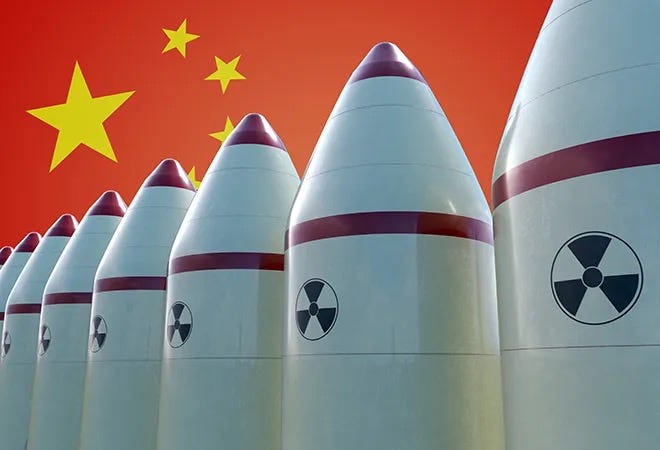
Complicating matters is China’s unchecked nuclear expansion. Beijing, never bound by New START, has more than doubled its arsenal since 2011, reaching an estimated 600 warheads by 2026, with projections of over 1,000 by 2030 . The Pentagon warns that China’s buildup, including new ICBM silos and hypersonic capabilities, is making the U.S. homeland “increasingly vulnerable” . Trump has repeatedly insisted any new deal must include China , a valid point given Beijing’s refusal to join talks. Yet, by letting New START die without a bridge, he’s accelerated the very three-way competition he claims to want to control. As one analyst notes, “China’s nuclear arsenal is growing faster than any other country’s,” turning bilateral restraint into a relic of the past . North Korea’s advancements and Iran’s threshold capabilities only add fuel to this proliferating fire.
Experts across the spectrum decry Trump’s approach as a “march to disaster.” Renowned linguist and political dissident Noam Chomsky has long condemned Trump’s nuclear policies, labeling his withdrawal from the INF Treaty as a step that “sharply increases the threat of nuclear war” and criticizing the modernization program for enabling a “surprise first strike” . Chomsky warns that Trump’s actions parallel the gravest existential threats, including climate change, pushing humanity closer to annihilation. “We don’t need more evidence that Trump is morally unfit,” Chomsky has said, pointing to the erosion of arms control as a “complete disaster” .
Other voices echo this alarm. Tara Drozdenko of the Union of Concerned Scientists calls the expiration “massively destabilizing,” urging Trump to accept Putin’s offer to avoid a “win-win-win” missed opportunity . The Nuclear Threat Initiative’s Christine Wormuth describes it as the “beginning of a dangerous new era,” where an arms race could divert billions from domestic needs . At Chatham House, experts warn that lapsing New START signals the world’s nuclear giants are “abandoning restraint,” heightening miscalculation risks . Even the Center for Strategic and International Studies cautions that while not guaranteeing an arms race, the end removes a key brake, with China already outpacing U.S. restraint . Monica Duffy Toft of Tufts University adds that it intensifies the “security dilemma,” making nuclear war more plausible through qualitative escalations like AI-driven systems .
Condemnations: A Chorus of Alarm
Daryl Kimball, executive director of the Arms Control Association, has described the post-expiration landscape as a “very uncertain path ahead,” warning that without any understanding between Trump and Putin, “it’s not unlikely that Russia and the U.S. will start to upload more warheads on their missiles.” Kimball emphasizes that New START’s end marks the first time in nearly 40 years the U.S. has lacked a nuclear arms control treaty with Russia, calling it a reckless abandonment of decades of bipartisan restraint that could ignite an uncontrolled global race.
Rose Gottemoeller, a former top U.S. negotiator on New START, has argued that even a temporary adherence to limits would buy critical time without prejudicing U.S. options, allowing Washington to address China’s buildup “without having to worry simultaneously about new Russian deployments.” She views Trump’s casual dismissal—“if it expires, it expires”—as squandering a low-cost opportunity to maintain stability, potentially accelerating escalation in an already volatile era.
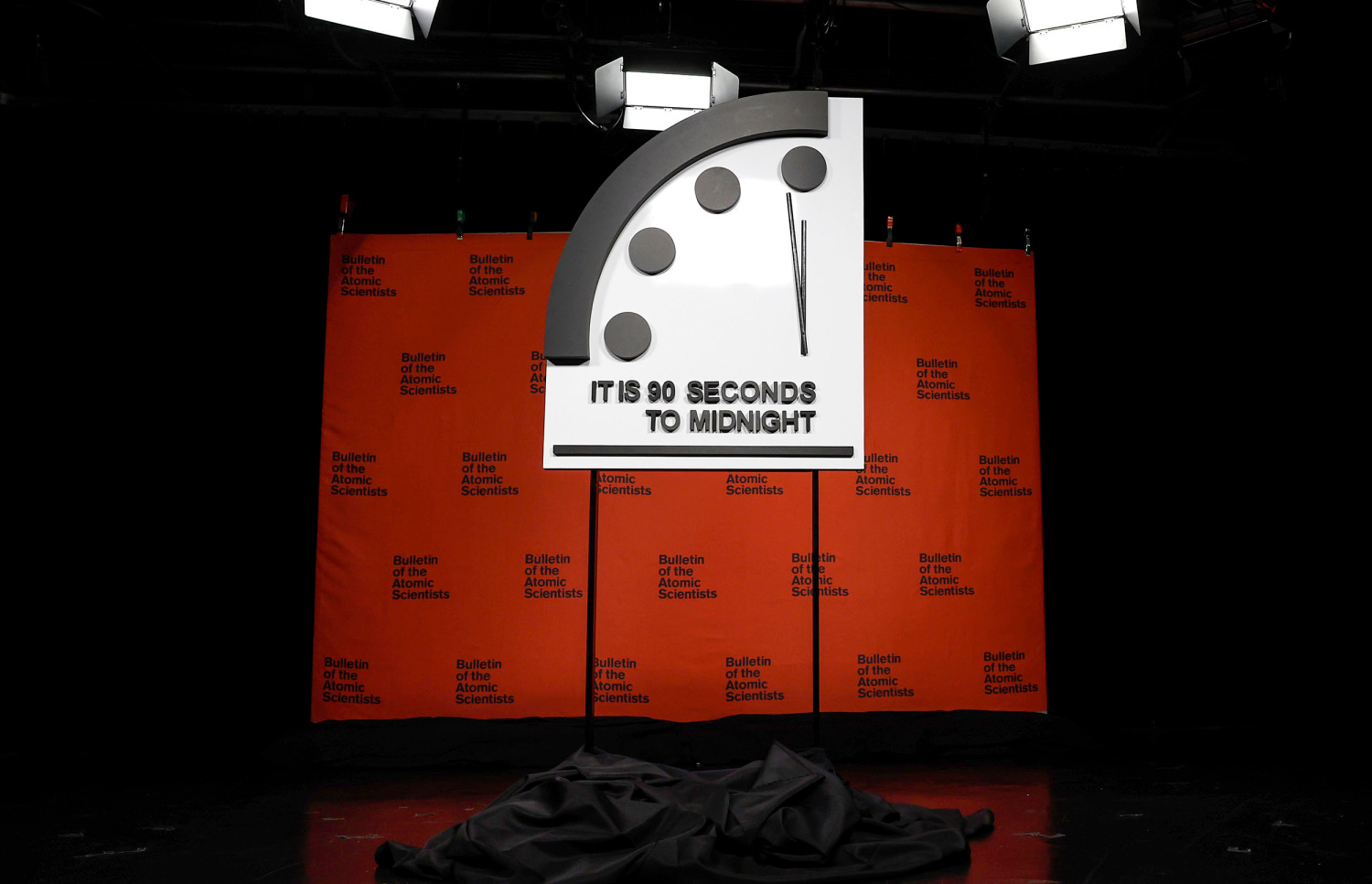
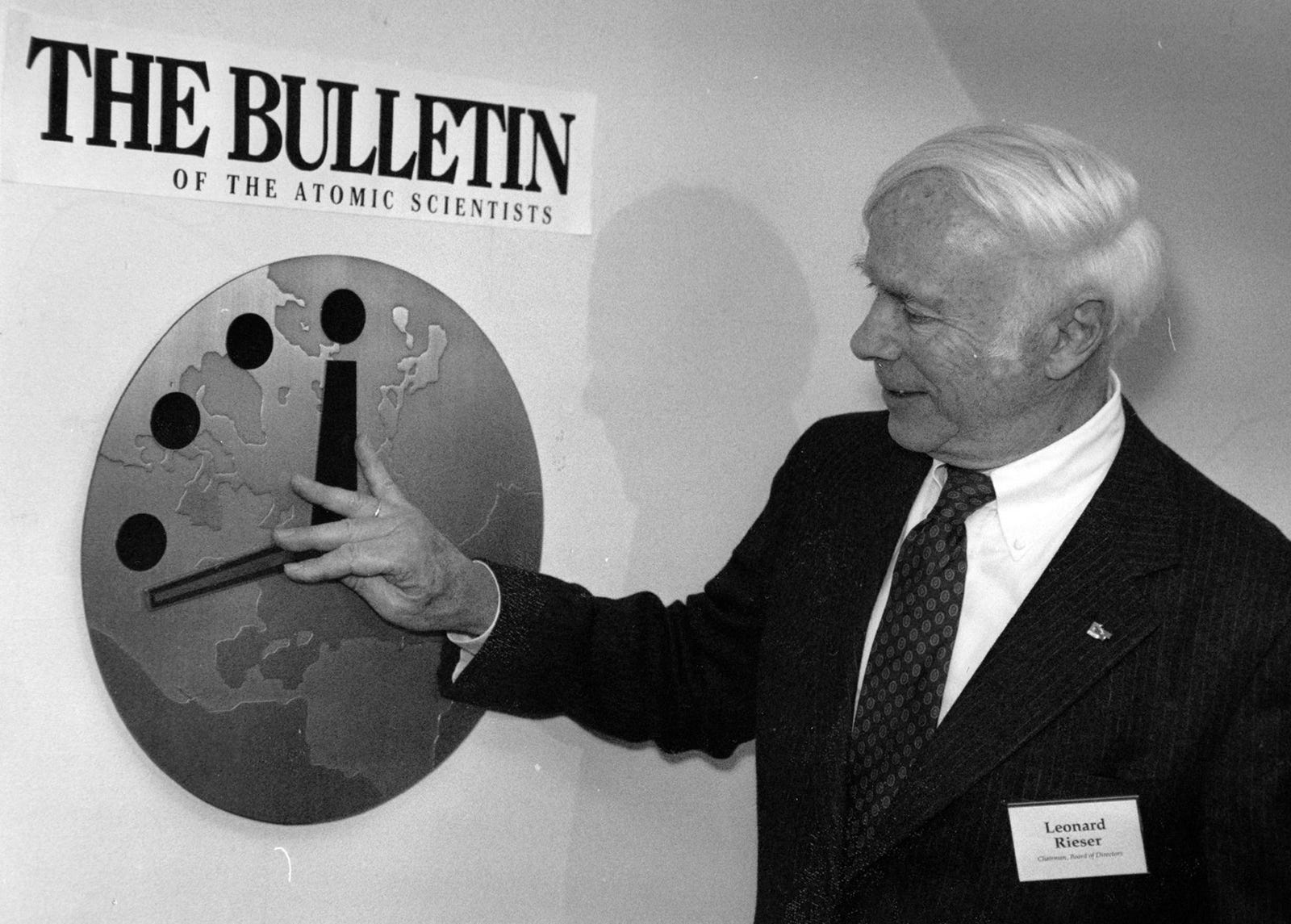
From the Bulletin of the Atomic Scientists, the 2026 Doomsday Clock statement highlights the expiration as ending “nearly 60 years of efforts to constrain nuclear competition,” with trends “sliding further down a slippery nuclear slope.” Alexandra Bell, president and CEO of the Bulletin, notes that “when it comes to nuclear risks, everything is trending in the wrong direction,” citing the lack of dialogue and rising arsenals as fueling instability. The Bulletin urges immediate resumption of limits and negotiations, implicitly condemning Trump’s indifference as complicit in heightened existential threats.
Nikolai Sokov, a veteran arms control analyst, points out the severe loss of transparency and verification post-expiration, even if Russia and the U.S. verbally observe numerical caps. Without on-site inspections and data exchanges, worst-case assumptions will dominate planning, inevitably driving proliferation and miscalculation risks higher.
Kingston Reif, former Pentagon nuclear official, has sharply criticized the logic of letting the treaty die simply because it excludes China: “It was never clear to me why we should jettison all limits on Russian strategic forces because New START wasn’t a panacea.” Reif argues this approach forfeits verifiable caps on the world’s largest arsenals for an unattainable trilateral deal, handing adversaries carte blanche to expand.
Lynn Rusten (Center for European Policy Analysis) calls the lapse a “historic moment, and not in a good way,” decrying the absence of any U.S.-Russia dialogue on strategic stability. She urges Trump to accept Putin’s one-year proposal as a foundation for talks, warning that unconstrained competition will make the world “more dangerous” and signal the abandonment of nuclear restraint by the superpowers.
Monica Duffy Toft (Tufts University) frames the expiration as intensifying the “security dilemma,” where each side’s defensive buildup provokes the other, making nuclear war more plausible—especially with emerging technologies like AI in command systems. She stresses that Trump’s failure to act removes a vital brake on qualitative and quantitative escalations.
Pavel Podvig, a leading Russian nuclear forces expert, observes a growing U.S. consensus among hawks for arsenal expansion, but warns that letting New START die without replacement invites a three-way dynamic where China’s rapid growth (projected to exceed 1,000 warheads by 2030) compounds Russian and American incentives to race ahead.
These voices join Chomsky’s longstanding indictment of Trump’s nuclear recklessness—dismantling safeguards like the INF Treaty and modernizing for first-strike potential—as pushing humanity toward catastrophe. Collectively, they paint Trump’s laissez-faire approach not as shrewd negotiation but as dangerous abdication, prioritizing unilateral bravado over verifiable stability in an era of proliferating threats from Russia, China, and beyond.
The expiration isn’t mere paperwork; it’s the deliberate unraveling of the last thread holding back a new nuclear free-for-all. Experts agree: by refusing even minimal bridging measures, Trump has handed the world a more perilous reality, where missteps could prove irreversible. History’s verdict will be harsh on this chapter of willful neglect.
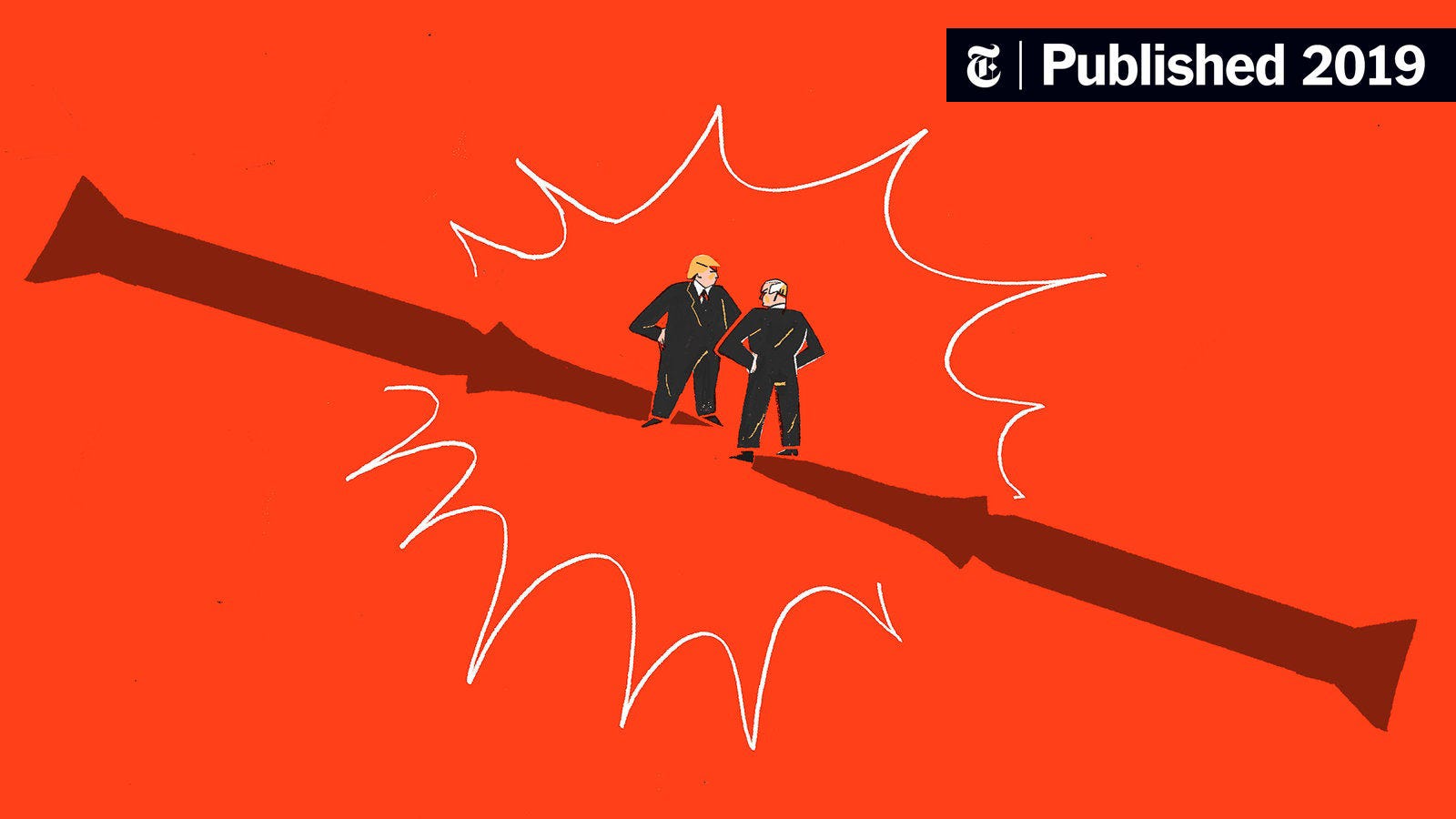
Trump’s defenders argue that New START’s limits handicapped the U.S. against China’s rise, and that a “better agreement” is forthcoming. But with no negotiations underway and tensions mounting, this optimism rings hollow. The Bulletin of the Atomic Scientists’ Doomsday Clock hovers perilously close to midnight, citing nuclear competition as a core driver . By failing to act, Trump isn’t making America great—he’s making the world more precarious, inviting a race no one can win. History will judge this not as strategic genius, but as the hubris that lit the fuse to Armageddon. The question now is whether there’s still time to snuff it out.
History will remember this not as America asserting strength, but as the hubris that lit the fuse to a preventable Armageddon. The question remains: Is there still time to reclaim restraint before it’s too late?