


In a twist that feels ripped from the pages of a geopolitical thriller, the United States—under the leadership of President Donald Trump—finds itself in an increasingly embarrassing predicament in the Middle East. Just 10 days into “Operation Epic Fury,” a military campaign aimed at decapitating Iran’s leadership and neutralizing its nuclear ambitions, America reportedly extended an olive branch in the form of a ceasefire proposal. Iran’s response? A resounding “no,” delivered not through shadowy diplomatic channels, but live on American television by Foreign Minister Abbas Araghchi during an interview on NBC’s Meet the Press. This public rebuff has not only highlighted the flaws in U.S. strategy but also amplified questions about the decision-making at the highest levels, including the roles played by Trump and his controversial appointee, Pete Hegseth, in escalating what many now call an avoidable quagmire.

Pete Hegseth (left in his younger military days, right in more recent form), Trump’s pick for a key advisory role, has been ridiculed as “Trump’s Tattoo General” for his pre-war cheerleading that didn’t age well.
The Setup: A War of High Stakes and Higher Promises
Launched in late February 2026, Operation Epic Fury was billed as a swift, decisive strike. The plan involved overwhelming airstrikes to eliminate key Iranian figures, collapse the regime from within, and dismantle its nuclear program—all within days. The assassination of Supreme Leader Ali Khamenei on day one seemed to signal early success. But Iran’s retaliatory barrage of over 500 ballistic missiles and 2,000 drones targeted not just Israel, but U.S. allies across the Gulf: Saudi Arabia, Qatar, the UAE, Kuwait, and Bahrain.
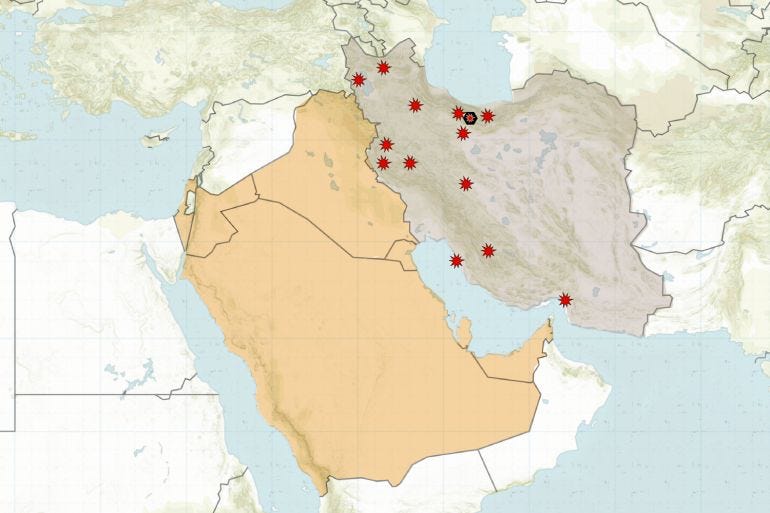
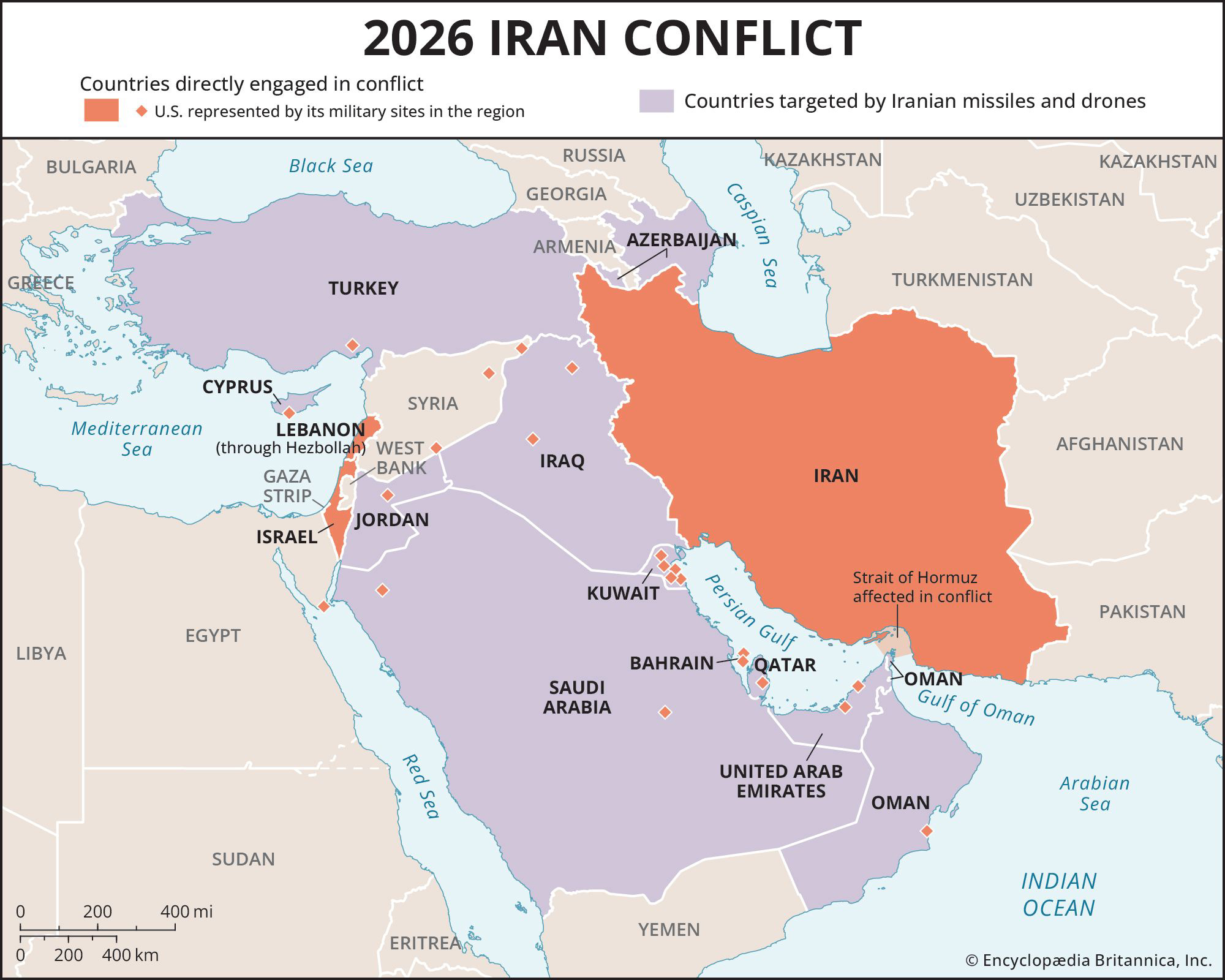
Maps of the conflict show the spread of U.S./Israeli strikes (red) and Iran’s wide-ranging missile/drone responses across the region, hitting Gulf states and beyond.
The fallout has been catastrophic. U.S. Patriot missile batteries are depleting interceptors at an alarming rate, a THAAD radar system in Qatar lies in ruins, and seven American soldiers have been killed—their coffins a grim reminder of the human cost. Oil prices have skyrocketed, breaching $100 per barrel and briefly hitting $109, marking the largest weekly surge since 1983. Gas prices in the U.S. have jumped 43 cents in a week, inching toward $4 a gallon, fueling domestic discontent among the 90% of voters who opposed the war from the start.
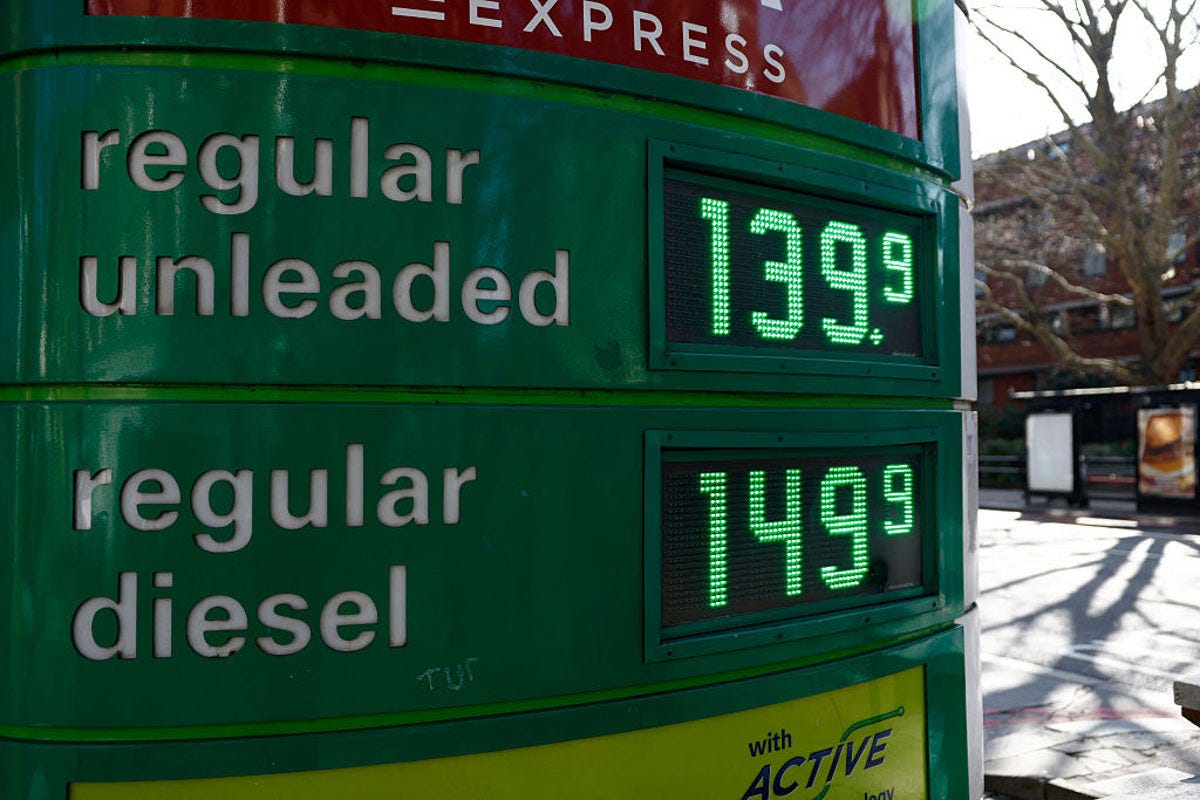
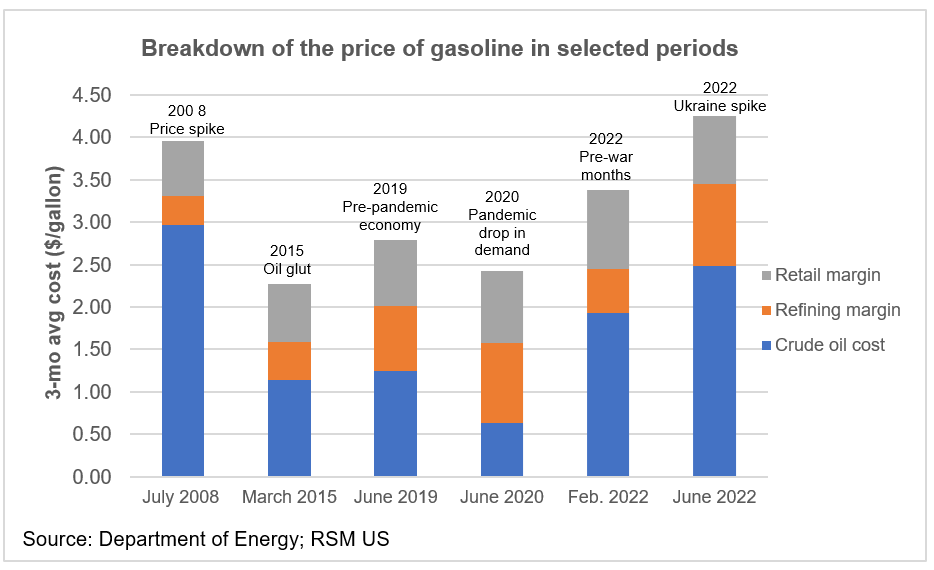
Surging oil and gas prices hit everyday Americans hard, with charts and pump readings showing the rapid escalation tied to the conflict.
Critics point fingers at President Trump, whose “America First” rhetoric has morphed into what some call “America Flustered.” Trump’s administration promised a quick win, echoing his campaign boasts of unmatched military prowess. Instead, the operation has failed to achieve any of its core objectives: no regime collapse, no internal revolt, and Iran’s nuclear sites remain intact. In a stunning admission, the U.S. National Intelligence Council issued a formal assessment deeming a large-scale assault “unlikely to topple the government”—a damning indictment from America’s own spies.
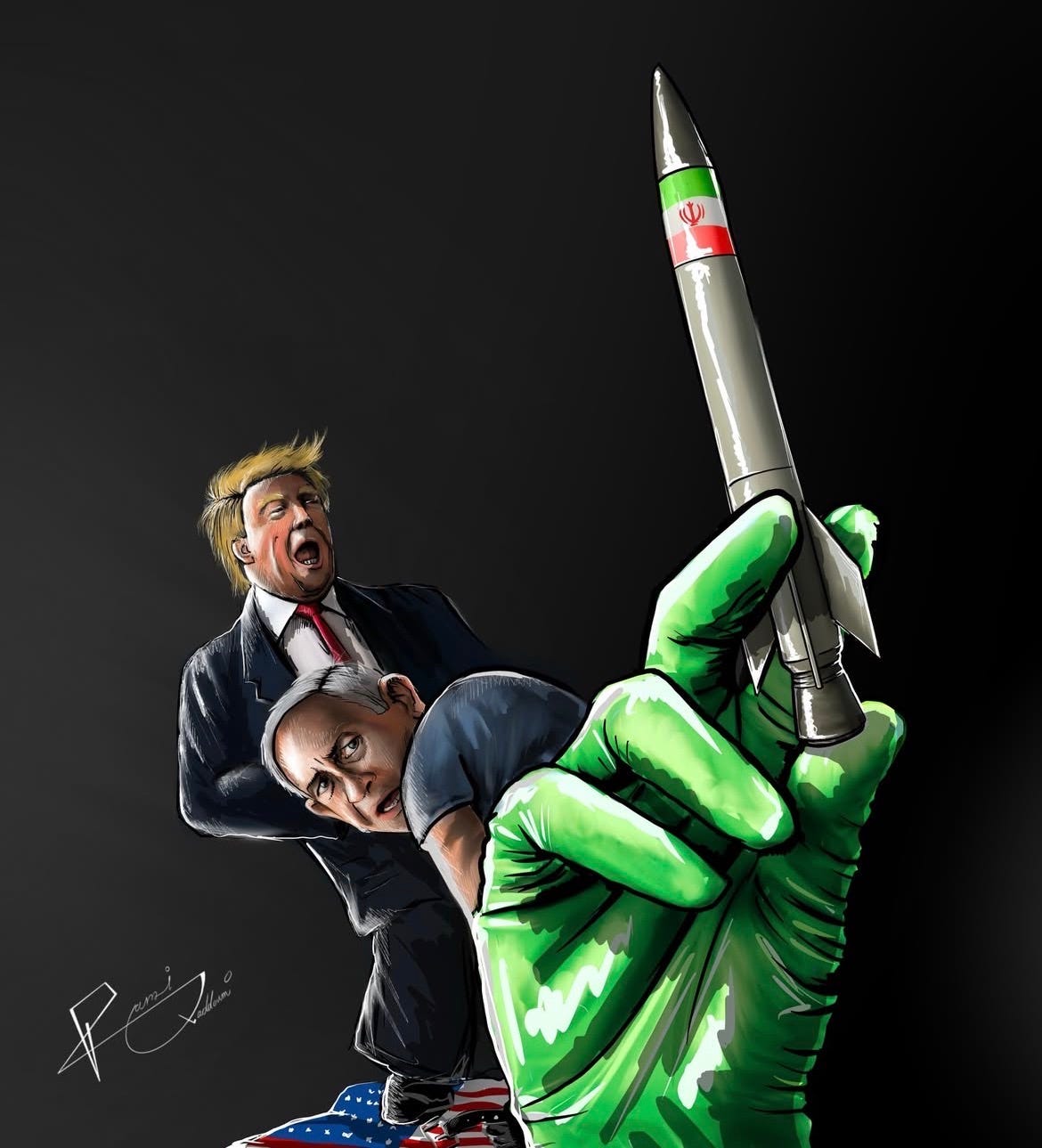
Adding to the ridicule is Pete Hegseth, whose hawkish commentary on Fox News helped build public support for the intervention. Hegseth, a former Army National Guard officer with a penchant for tattoos and tough talk, has been a vocal cheerleader for aggressive action against Iran. Yet, as the war drags on, his involvement only adds to the farce.
Iran’s Defiant Rejection: A Masterclass in Mistrust
Foreign Minister Araghchi’s appearance on Meet the Press was nothing short of theatrical. Staring down the camera, he dismissed the ceasefire outright: “This doesn’t work like this. There needs to be a permanent end to the war. Unless we get to that, we need to continue fighting.” His words weren’t mere bluster; they were rooted in history.
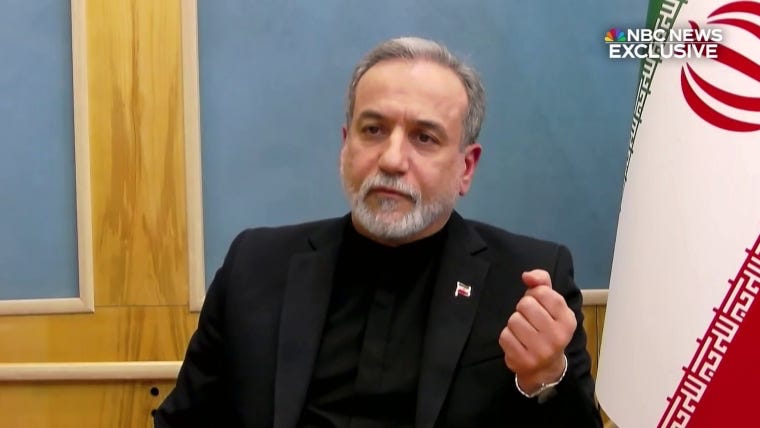
Iran’s Foreign Minister Abbas Araghchi (shown in recent interviews), delivered the rejection live on U.S. TV, citing past betrayals during negotiations.
Iran’s new Supreme Leader, Mojtaba Khamenei, has unified the regime rather than fracturing it. The Islamic Revolutionary Guard Corps (IRGC) operates with autonomous authority, and Iran has rationed its strikes, signaling readiness for a prolonged conflict lasting up to six months. Backed by Russian intelligence and tacit Chinese approval, Iran isn’t backing down—it’s digging in.
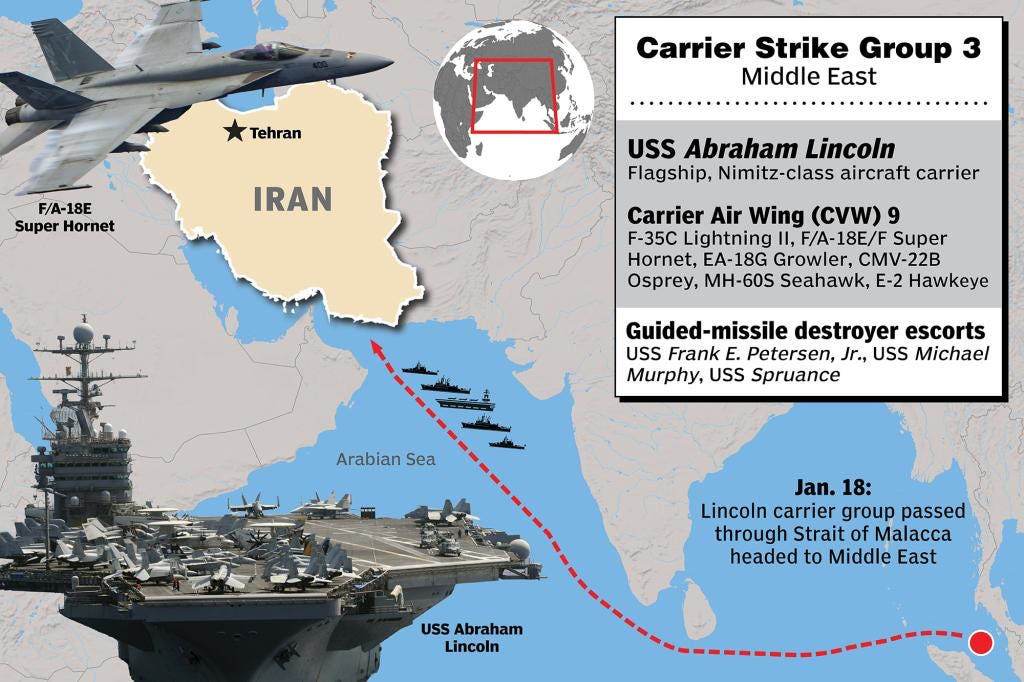
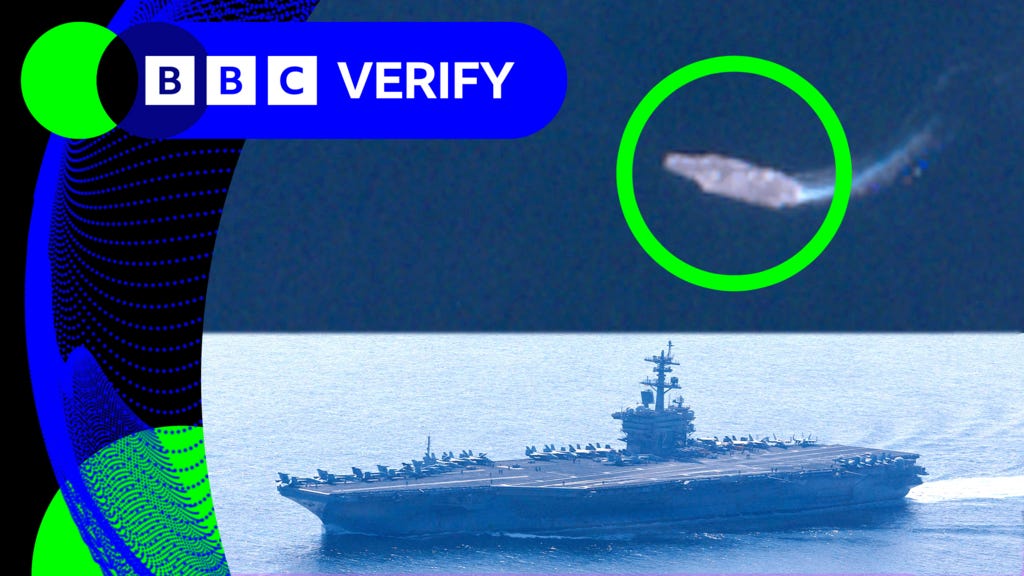
U.S. aircraft carriers like the USS Abraham Lincoln (deployed in the region) symbolize American power projection, but the conflict has exposed vulnerabilities rather than dominance.
The Broader Fallout: Economic Chaos and Global Repercussions
The economic ripple effects are staggering. Qatar’s LNG exports—20% of global supply—are halted, spiking European natural gas prices by over 20%. The Strait of Hormuz remains a flashpoint, with energy analysts warning oil could hit $150 if closures persist.
What Happens Next? A Stalemate with No Easy Exit
As missiles continue to fly, the rejection of the ceasefire underscores a harsh reality: wars aren’t won on bravado alone. America’s request, after just 10 days of fighting, smacks of desperation rather than dominance. Trump, ever the dealmaker, may tout negotiations as a win, but Iran’s public snub leaves little room for spin. For Trump and Hegseth, the ridicule is just beginning; for the rest of us, the costs are all too real.


