

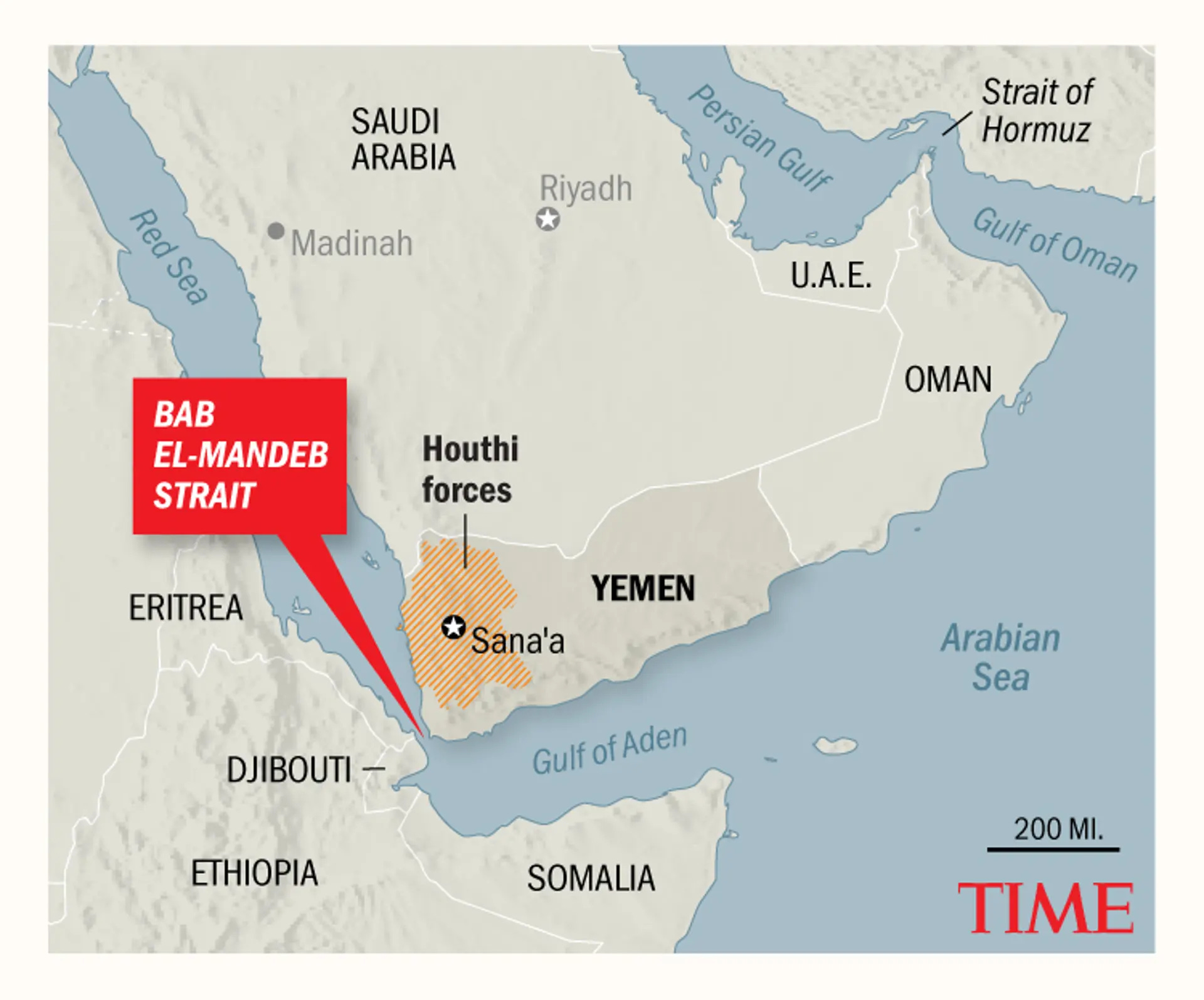
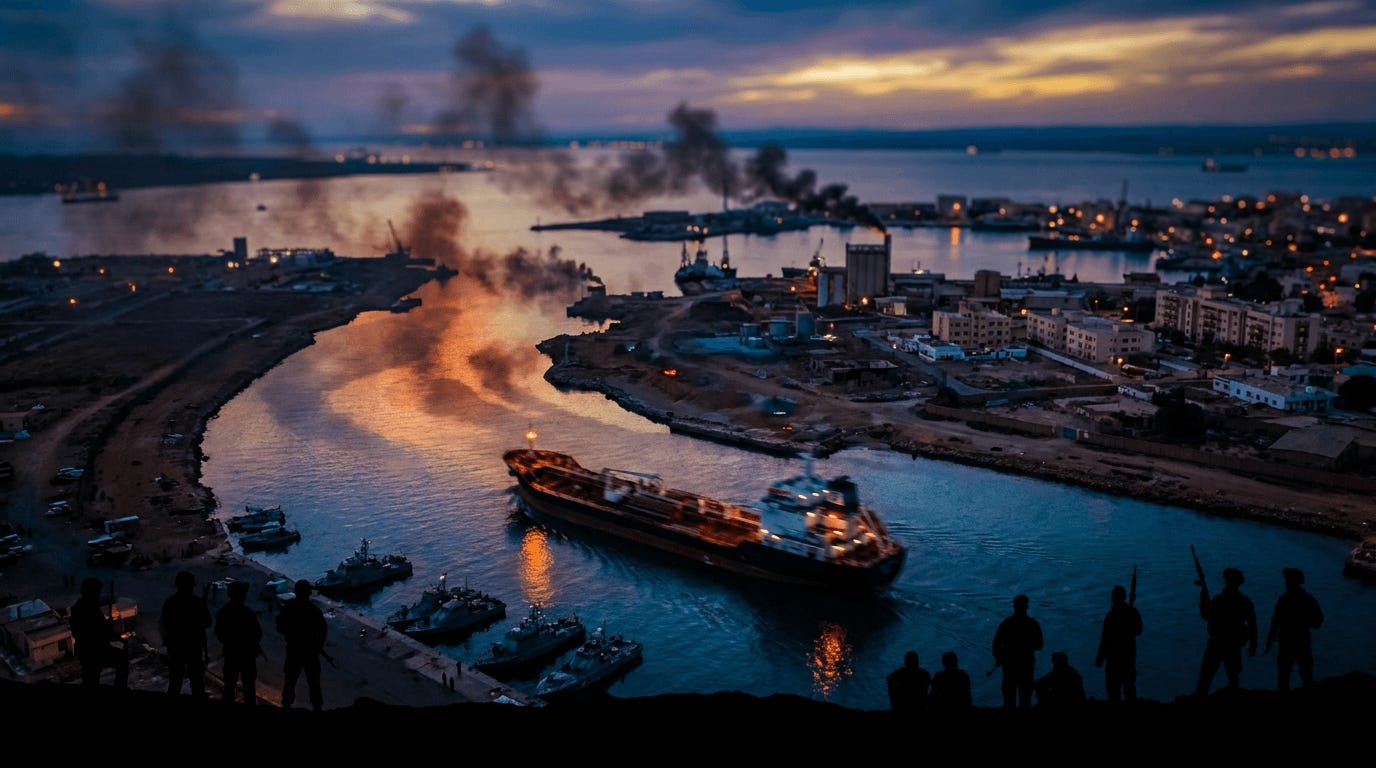
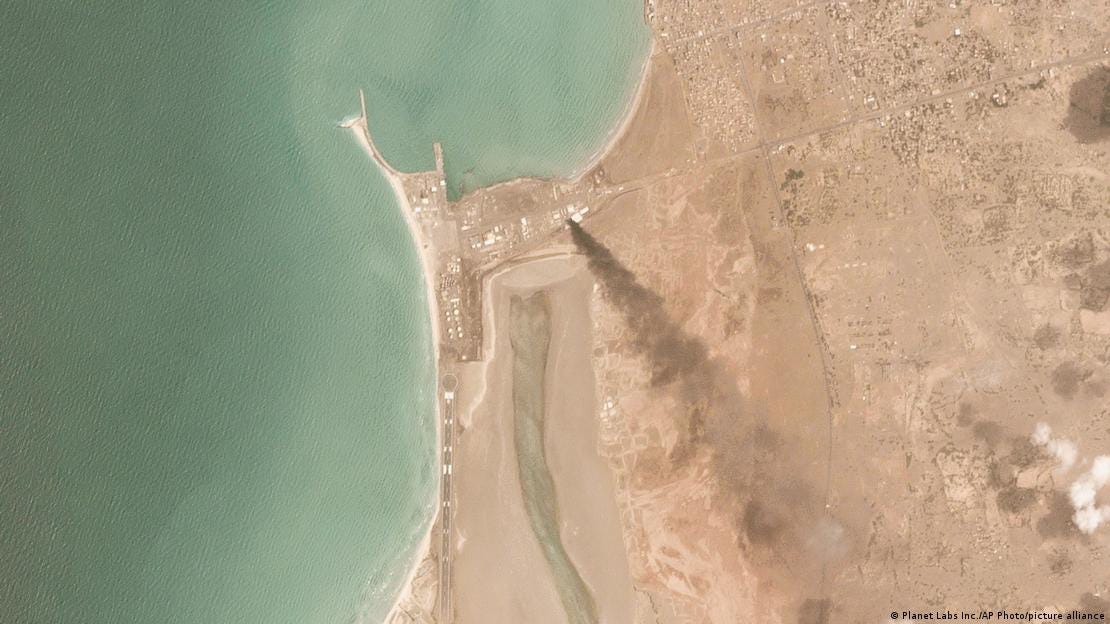
As Houthi forces seized the Red Sea port of Mocha in mid-September 2026 and pushed onto islands commanding the Bab el Mandeb strait, they gained a tighter grip on one of the world’s most important shipping chokepoints. Roughly 12 percent of global trade, including a large share of oil and LNG, passes through that narrow waterway between Yemen and the Horn of Africa. Control of Mocha, Perim (Mayyun) Island, and stretches of the Yemeni coast gives the Iran-backed group leverage over traffic that has already been rerouted or threatened amid wider regional fighting.
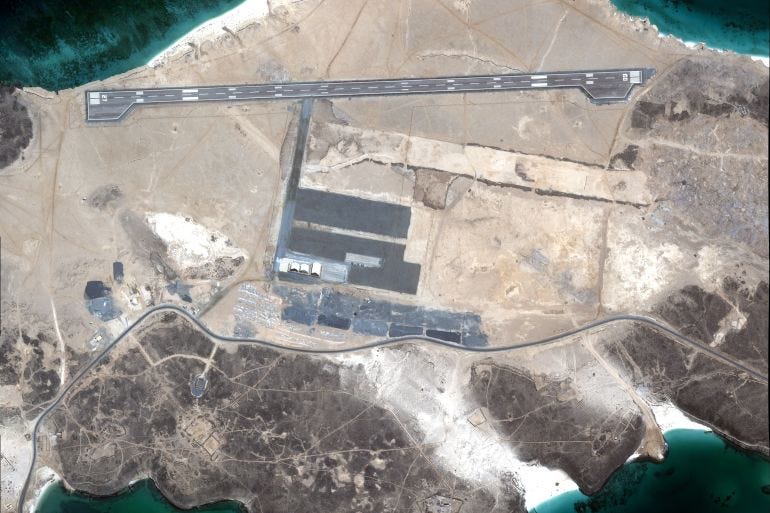
The advance is not an isolated local war. It is the latest chapter in a pattern that stretches from the Reagan administration’s proxy campaigns of the 1980s through the post-9/11 wars in Afghanistan and Iraq, the 2011 intervention in Libya, covert support for Syrian rebels, and U.S. backing for the Saudi-led coalition in Yemen. Groups that Washington once armed, funded, or whose rise it facilitated through regime change and power vacuums later became adversaries—or the tools of adversaries.
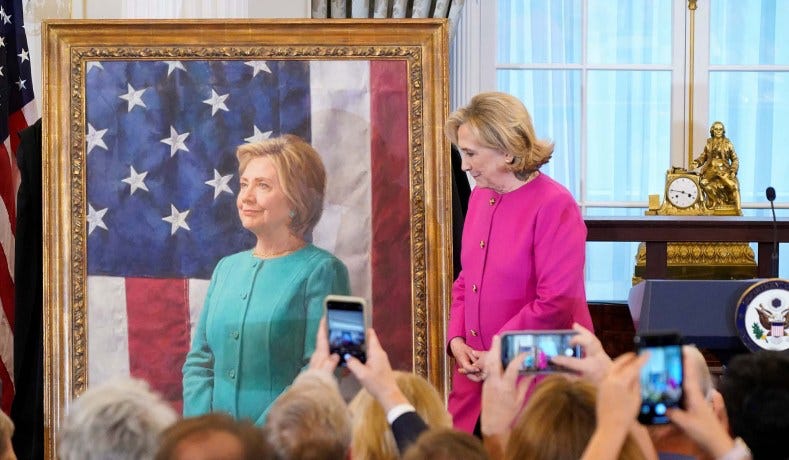
Hillary Clinton stated the problem with unusual candor while serving as secretary of state. The same dynamic that produced al-Qaeda and the Taliban has, in different forms, produced ISIS, Libyan militias, Syrian jihadist factions, and an empowered Houthi movement sitting astride a vital sea lane.
The Reagan Doctrine, Shultz, Weinberger, and the Prototype in Afghanistan
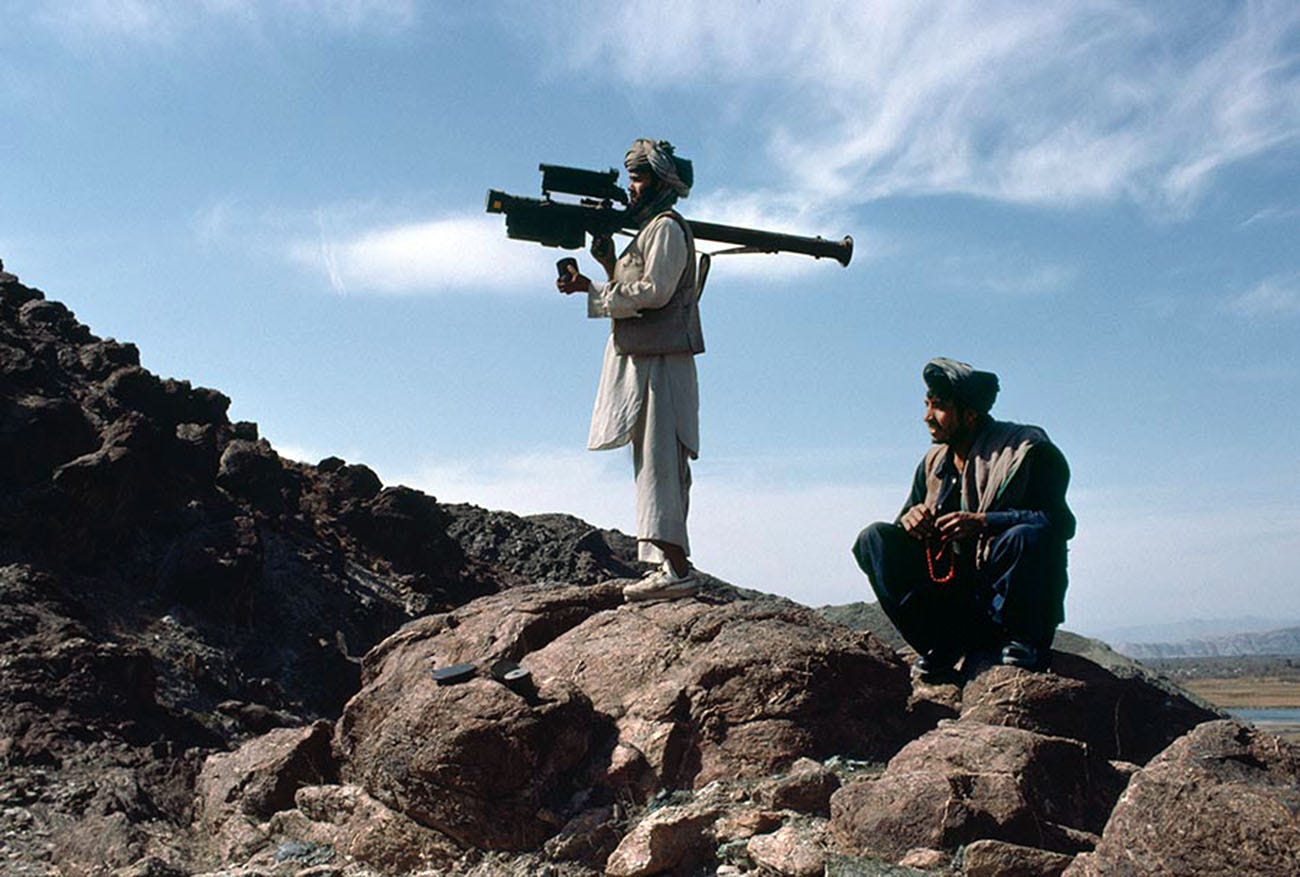
The template was set in the 1980s. After the Soviet invasion of Afghanistan in 1979, the United States launched Operation Cyclone, the CIA’s largest covert program to date. Billions of dollars in weapons, including Stinger missiles, training, and money flowed to the mujahideen through Pakistan’s Inter-Services Intelligence directorate, with matching funds from Saudi Arabia. President Reagan called the fighters “the moral equivalent of America’s Founding Fathers.” The goal was to bleed the Soviet Union without committing large numbers of American troops.
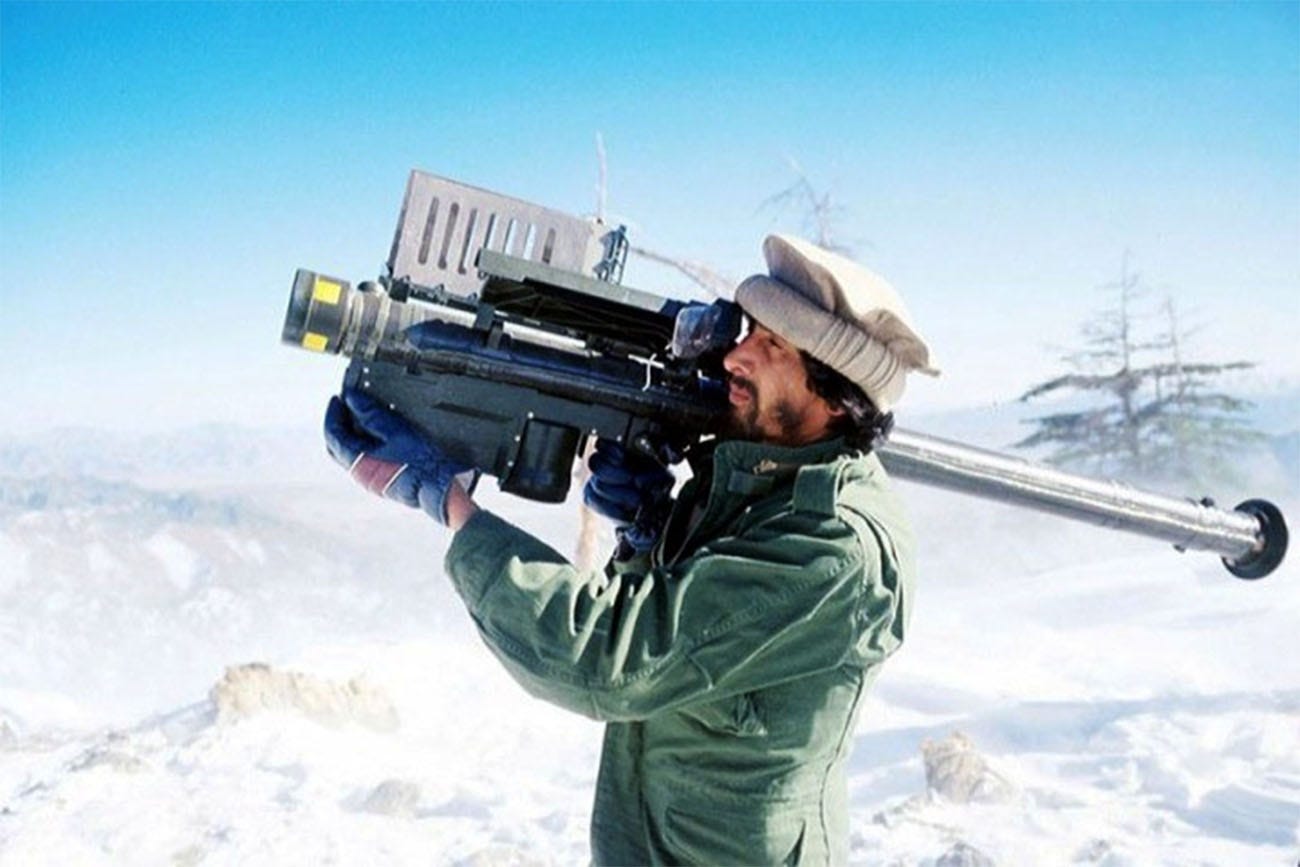
Secretary of State George Shultz championed an assertive policy that paired diplomacy with the use or threat of force and support for anti-communist insurgents—the Reagan Doctrine. Defense Secretary Caspar Weinberger was more cautious. After the 1983 Beirut barracks bombing, he articulated six tests for committing U.S. combat forces: vital national interest, clear objectives, adequate means to win, public and congressional support, force as a last resort, and continual reassessment. In practice the administration often preferred proxies because they allowed Washington to fight without meeting those tests.
Clinton later described what happened next. In April 2009 testimony she said: “Let’s remember here, the people we are fighting today, we funded 20 years ago… let’s go recruit these mujahideen… Let’s get some to come from Saudi Arabia and other places importing their Wahhabi brand of Islam… it wasn’t a bad investment to end the Soviet Union, but let’s be careful what we sow because we will harvest.”
After the Soviets withdrew, Washington largely walked away. The Taliban emerged; Osama bin Laden’s networks became al-Qaeda. The 20-year U.S. war that followed ended with the Taliban’s return to Kabul in 2021.
Iraq: Invasion, Vacuum, and the Islamic State
The 2003 invasion removed Saddam Hussein and dismantled the Iraqi army and Baathist state. The vacuum produced first al-Qaeda in Iraq and then the Islamic State, which seized large parts of Iraq and Syria in 2014.
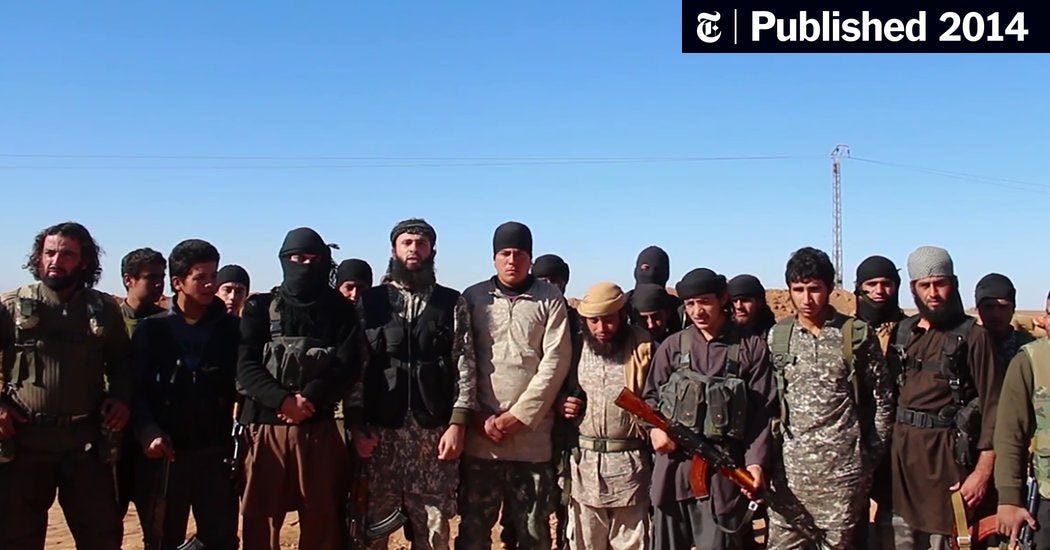
Andrew Bacevich has argued that Washington repeatedly confuses military capability with strategic utility. The Iraq war weakened a Sunni Arab counterweight to Iran, empowered Shia militias tied to Tehran, and created conditions for a transnational jihadist proto-state.
Libya: From Regime Change to Failed State
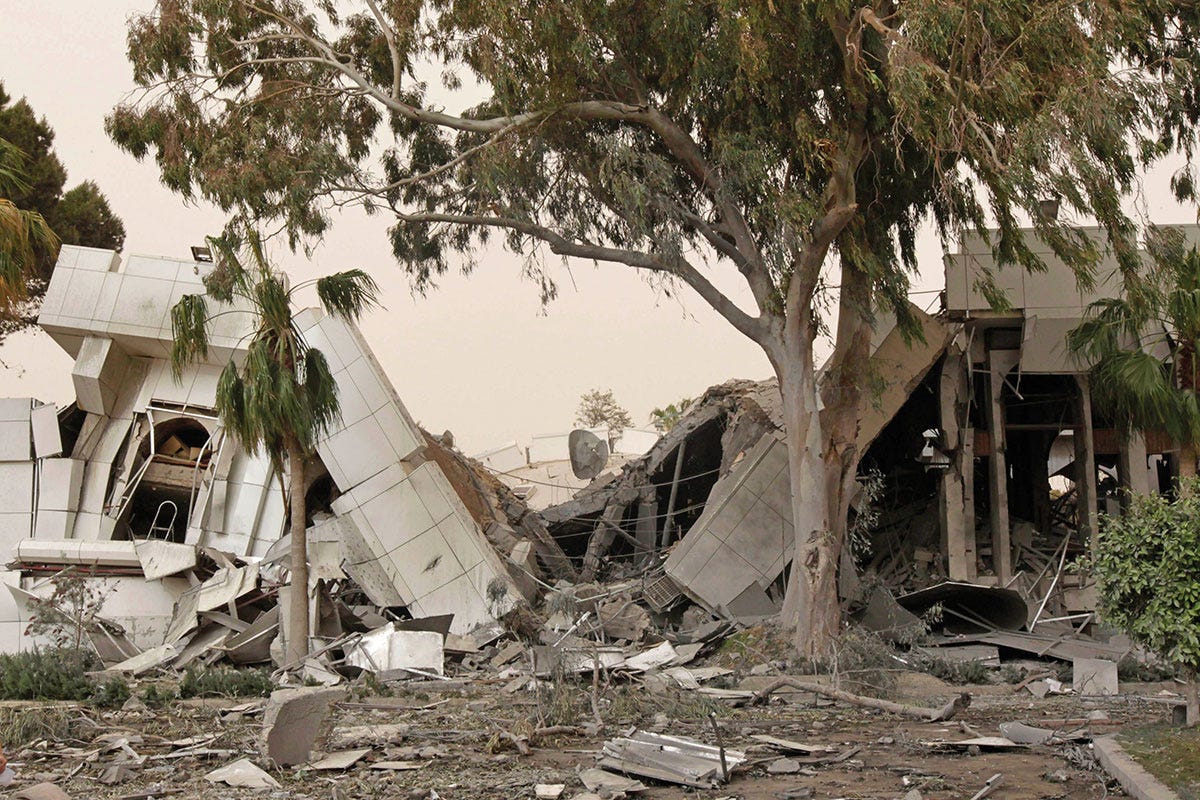
The 2011 NATO intervention became a regime-change operation. Gaddafi was killed. The aftermath was fragmentation, militias, an ISIS affiliate in Sirte, and weapons flowing outward.
Syria: Timber Sycamore and the Jihadist Marketplace
The CIA’s Timber Sycamore program armed Syrian rebels against Assad. Weapons reached black markets and extremist groups including al-Nusra. ISIS grew in the chaos of both Iraq and Syria. Later U.S. partnership with Kurdish-led forces defeated the caliphate’s territorial holdings but created new regional tensions.
Yemen and the Houthis
The Houthis emerged in the 1990s as a Zaydi movement; they were not a CIA creation. After they took Sanaa in 2014, a Saudi-led coalition backed by U.S. logistics and intelligence intervened in 2015. The war failed to dislodge them and allowed Iran to supply better missiles and drones. In 2026 they seized Mocha and moved onto islands in the Bab el Mandeb.
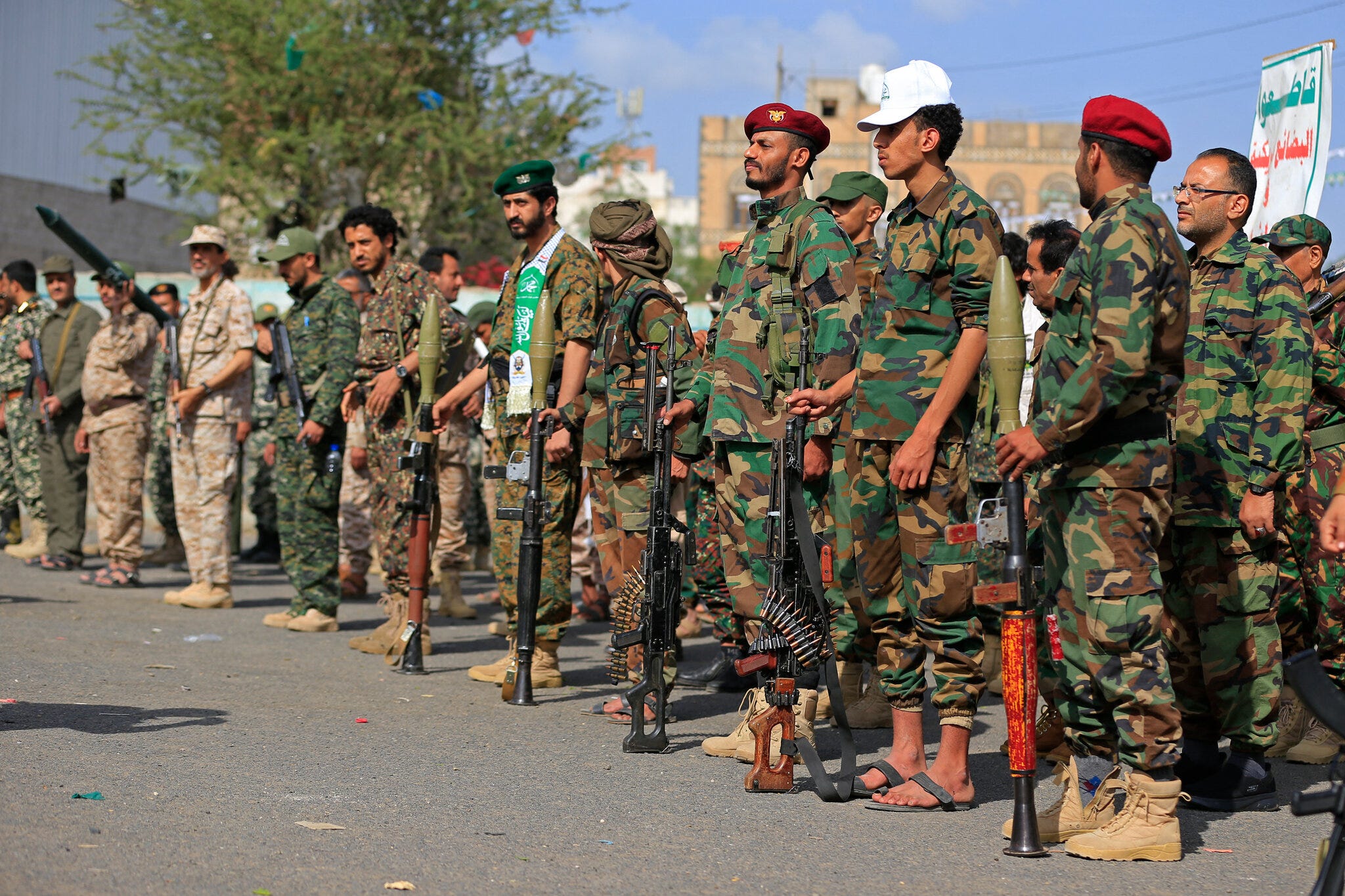
Washington did not invent the Houthis. It helped create the regional conditions—through the Iraq war, Syrian and Libyan chaos, and an inconclusive Yemen campaign—in which an Iranian-aligned militia could become a coastal power threatening a global chokepoint.
The Recurring Pattern
Chalmers Johnson called it blowback: secret or poorly examined operations produce delayed, violent reactions the public cannot easily connect to earlier policy. Bacevich and realist scholars have warned for years that repeated intervention without stable political end-states multiplies armed groups and failed states.
Clinton’s warning still stands: the people we fight today are often the people, or the descendants of the people, we funded yesterday. From Stingers left in Afghanistan to looted Libyan arsenals to missiles now covering the approaches to Mocha and Perim Island, the harvest has been consistent. Whether Washington treats that record as a reason for greater caution will determine whether the next generation of proxies becomes the next generation of threats.


